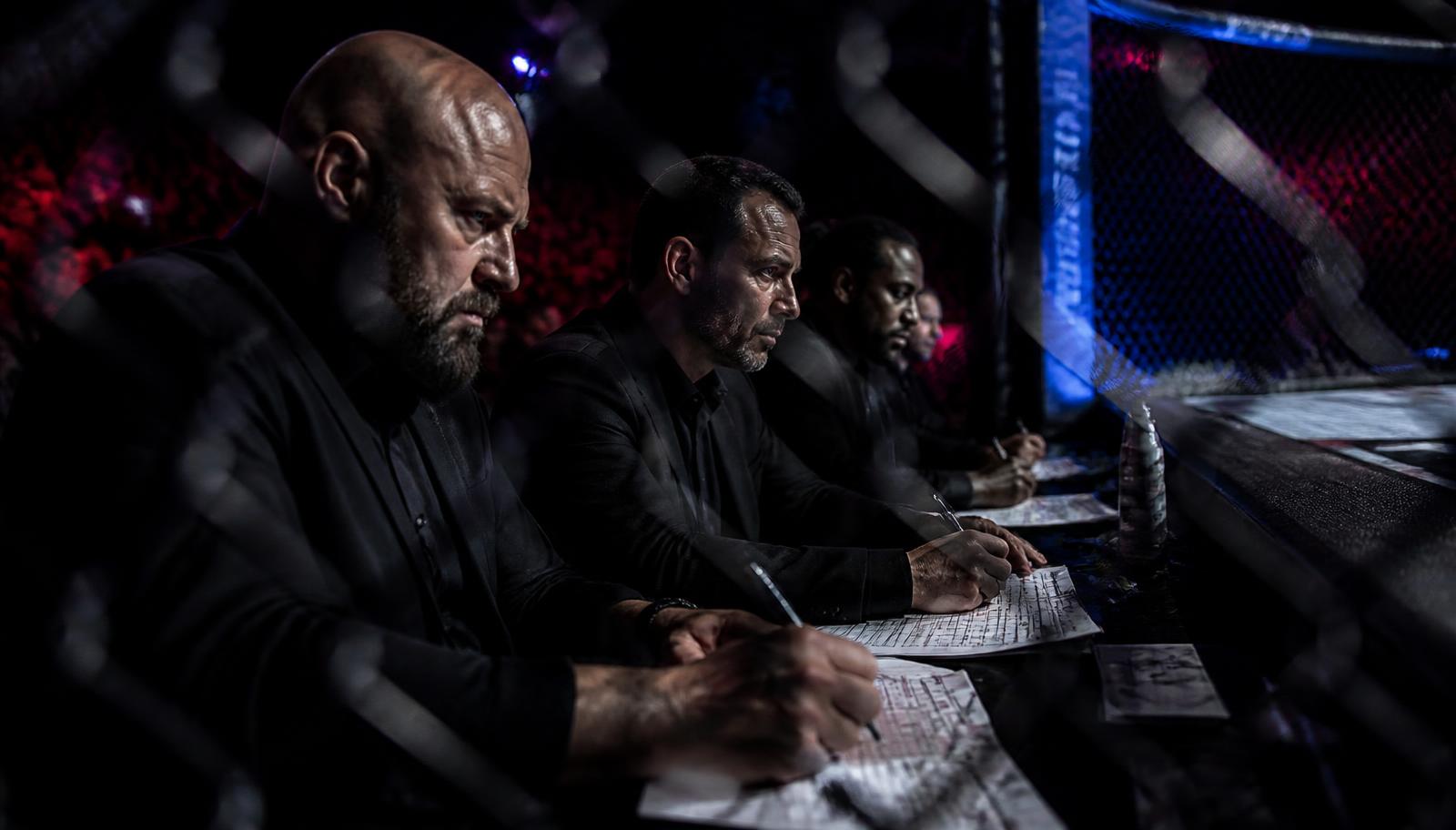
Few things generate more fight night debate than the judges' scorecards. Understanding how MMA is scored turns confusing decisions into readable ones, and it makes watching live fights far more engaging. Here is the system used in every sanctioned bout in Arizona and across the sport.
The 10-Point Must System
MMA borrowed its scoring framework from boxing. In every round, the winner "must" receive 10 points, and the loser receives 9 or fewer. At the end of the fight, each judge totals their rounds, and the fighter ahead on at least two of the three scorecards wins the decision.
- A 10-9 round means one fighter won the round by a clear but competitive margin. Most rounds are 10-9.
- A 10-8 round means one fighter dominated: significant impact, sustained dominance, or both.
- A 10-10 round means the judge could not separate the fighters. It is rare by design.
What Judges Actually Score
The unified rules rank the judging criteria in strict order:
- Effective striking and grappling: damage and impact come first. Clean, hard strikes and meaningful grappling advances outweigh volume without effect.
- Effective aggressiveness: moving forward matters only when it produces offense.
- Fighting area control: cage control is a tiebreaker, not a primary criterion.
A takedown that leads to nothing scores less than a takedown that leads to ground strikes or submission attempts. A fighter walking forward while eating counters is not winning the round, no matter how it looks.
Ways a Fight Ends Without the Judges
- Knockout or technical knockout, when a fighter cannot intelligently defend.
- Submission, by tap or verbal surrender.
- Doctor or corner stoppage.
- Disqualification or no contest in rare situations.
Why "Never Leave It in the Judges' Hands" Is Real Advice
Judges watch from fixed positions and score only what they can see in the moment. Close rounds genuinely can go either way, which is why coaches push fighters to finish. When you watch a card live, try scoring each round yourself, then compare with the official cards. It is the fastest way to learn to see fights like a judge.
Put your new scoring eye to work at the next live card: see what is coming up on our events page, read how amateur and pro rules differ, and if you are new to live events, start with our first fight night guide.